
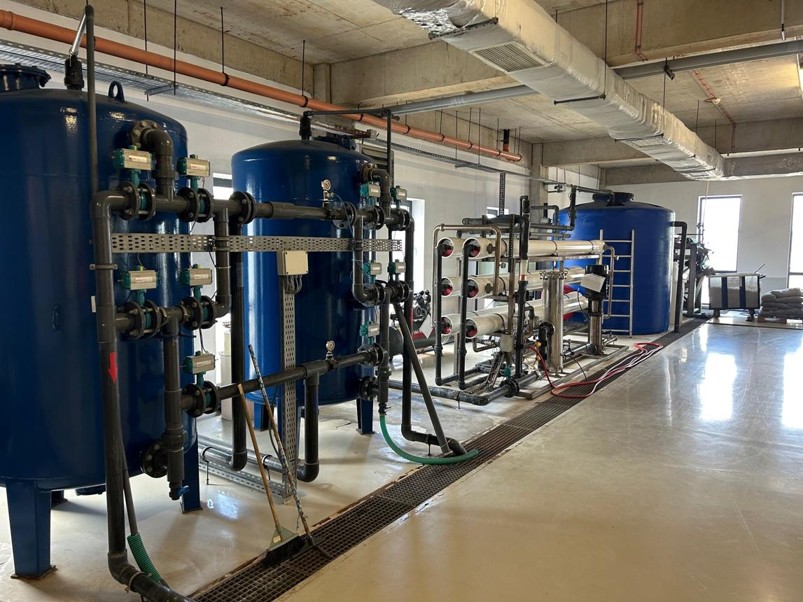
Picking the right water system feels harder than it should. Walk into any supply store, and you will see dozens of tanks, filters, and membranes. Each one claims to be the best choice for your building. So how do you actually compare commercial building water filtration systems without getting lost in specs?
The short answer is this. Focus on two things first: capacity and water quality. Everything else, brand, price, or extra features, comes after those two boxes are checked. Once you understand what your building needs, the rest of the decision gets much easier.
We have spent years helping property owners and facility managers sort through this exact problem. Here is a clear, no-jargon guide to comparing systems the right way.
Start With a Water Quality Test
You cannot fix a problem you have not identified yet. Before shopping for any filter, test your water first. A basic test shows what is actually in your supply. Common issues include sediment, chlorine, hard water minerals, and sometimes bacteria. Older buildings often carry rust or lead from aging pipes. Newer buildings closer to treatment plants may only deal with chlorine taste and smell.
Once you know your contaminants, you can match them to a filter designed to remove them. Skipping this step is like buying shoes without knowing your size. You might get lucky, but odds are you will not.
Match Capacity to Your Building’s Water Use
Capacity means how much water a system can treat per minute or per day. This number matters more than most people realize. A filter sized for a small office will choke under the demand of a large apartment complex.
Think about how many people use water in your building at once. A 12-unit apartment building has very different peak demand than a 200-unit tower. Restaurants and medical facilities also push far more water through their pipes than a typical office.
To estimate capacity needs, consider these factors:
- Number of occupants or units: More people means more simultaneous demand on the system.
- Peak usage hours: Mornings and evenings often see the heaviest water flow in residential buildings.
- Type of business: A restaurant kitchen uses water very differently than a law office.
- Future growth: Plan for expansion so you do not outgrow your system in two years.
Undersized systems wear out fast and struggle to keep pressure steady. Oversized systems waste money you did not need to spend. Getting this number right saves both frustration and cash down the road.
Compare the Main Types of Filtration Systems
Different systems handle different jobs. Understanding the basics helps you compare options with confidence.
- Sediment filters catch sand, rust, and debris before they reach other equipment. They usually work as a first line of defense, not a standalone solution.
- Carbon filters remove chlorine taste, odor, and many organic compounds. They are common in break rooms and drinking water stations.
- Reverse osmosis systems push water through a fine membrane to strip out heavy metals, bacteria, and dissolved solids. These systems are thorough but need more maintenance than simpler filters.
- Water softeners target hard water minerals like calcium and magnesium. Hard water damages pipes, water heaters, and dishwashers over time, so softening protects your equipment investment.
Most commercial buildings end up combining two or three of these types. A sediment filter paired with a softener and a carbon stage often covers the full range of everyday water problems.
What About Apartment Buildings and Multi-Unit Properties?
Multi-family properties face a unique challenge. A water filtration system for apartment building use has to serve dozens of units through one shared supply line. That means capacity and pressure matter even more here than in a single office.
Property managers should also think about fairness. Every unit deserves the same water quality, not just the ones closest to the main line. A whole-building system installed at the point of entry solves this by treating water before it splits off to individual units.
Hard water is especially common in apartment buildings with older plumbing. Softening the water at the source protects pipes throughout the entire property, not just in one unit. This lowers repair costs and keeps tenants happier.
Maintenance and Long-Term Costs
The sticker price is only part of the story. Filters need replacement, membranes wear out, and softeners need regular salt or resin refills. Ask about the expected lifespan of each part before you commit. Installation space matters too. Reverse osmosis systems and large softeners need dedicated space and sometimes extra plumbing work. Smaller buildings should confirm they have room before falling in love with a bigger system.
Ask your provider these questions before signing anything:
- How often do filters or membranes need replacing?
- What does routine maintenance cost per year?
- Is installation included, or is it billed separately?
- Does the system come with a warranty?
A system that looks cheap upfront can cost more over five years than a slightly pricier option built to last.
Finding the Best Water Filter for Los Angeles Buildings
Local water conditions change everything. Buildings searching for the best water filter for Los Angeles properties need to account for the region’s naturally hard water and higher mineral content. Standard filters built for other climates often underperform here.
Los Angeles water commonly carries higher calcium and magnesium levels than other parts of the country. This makes softening a priority for most commercial buildings in the area. Pairing a softener with sediment and carbon stages usually delivers the most reliable results locally.
Working with a provider who understands the local water supply saves you from guesswork. They can recommend a system already tested against the specific mineral and sediment levels found in the region.
FAQs
Q: How do I know what size water filtration system my building needs?
Ans: Base it on occupant count, peak usage hours, and building type. A water test combined with a usage estimate gives the clearest picture of required capacity.
Q: Is reverse osmosis necessary for commercial buildings?
Ans: Not always. Offices with clean municipal water may only need basic filtration. Restaurants, medical facilities, and buildings with contaminated water often benefit most from reverse osmosis.
Q: How often should commercial water filters be replaced?
Ans: Most sediment and carbon filters need replacement every three to six months. Reverse osmosis membranes typically last one to two years with regular use.
Q: Does hard water actually damage commercial plumbing?
Ans: Yes. Hard water minerals build up inside pipes, water heaters, and appliances. Over time, this buildup reduces efficiency and shortens equipment lifespan.
Q: Can one system serve an entire apartment building?
Ans: Yes. A point-of-entry system treats water before it splits to individual units, giving every tenant the same water quality from one central setup.
Ready to Find the Right System for Your Building?
Comparing systems does not have to feel overwhelming once you know what to look for. Test your water, calculate your real capacity needs, and match the filtration type to your specific contaminants. That combination leads to a system that actually performs for years, not months.
We have walked plenty of property owners through this exact process, and the buildings that plan always come out ahead on cost and comfort. If you want expert eyes on your specific building, Pure Water 1 offers free water testing and can help design a system built for your exact capacity and local water conditions. Reach out today and let’s find the right fit for your property together.