When businesses start looking for a water dispenser, the goal is usually simple. They want clean, safe drinking water that is readily available every day. During this search, many teams also come across terms like water purification system, alkaline water filters for home. All of these options sound useful, but they work in different ways. Knowing the difference helps you make a smart choice.
Read on to know how to choose the best water dispensers based on your needs.
Why Businesses Install Water Dispensers?
Most people spend a big part of their day at work. Easy access to drinking water matters more than many realize. When water is close by, people drink more and feel better throughout the day.
Water dispensers also keep break rooms neat. There are no cases of bottles on the floor or crowded fridge shelves. Guests and clients notice when water stations look clean and organized.
For many businesses, a dispenser is a small upgrade that improves daily comfort.
Start by Understanding Your Daily Water Use
Before choosing any dispenser, it helps to understand how much water your team uses. A small office with ten people has very different needs than a busy workplace with fifty.
Think about peak times. Mornings and lunch breaks often see the most use. Also, think about how people drink water. Do they refill bottles or grab quick cups?
Answering these questions helps you avoid buying a unit that feels too small or too large.
Bottle-Free vs Bottled Water Dispensers
One of the first choices is between bottled and bottle-free dispensers. Bottled units use large water jugs that need regular refills. Someone has to lift and replace those bottles.
Bottle-free dispensers connect to a water line and filter water on-site. This removes the need for bottle storage and heavy lifting. Many businesses prefer this setup for ease and cleanliness.
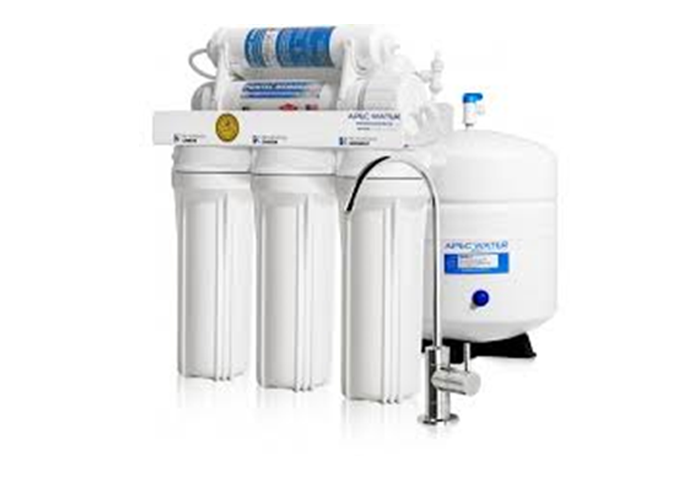
A water purification system for business often works best with bottle-free dispensers because filtration happens inside the unit.
Understanding Filtration Without the Confusion
Filtration sounds technical, but the idea is simple. Filters clean water before you drink it.
Basic filters remove dirt, chlorine taste, and odors. Reverse osmosis systems push water through a fine filter to remove more particles. UV systems use light to treat water as it flows.
Some dispensers also include mineral or alkaline options. These focus on taste rather than basic safety.
Choosing the Right Water Temperatures
Think about how people use water at work. Hot water helps with tea, soup, or instant meals. Cold water feels refreshing, especially in warm weather.
Room temperature water works well for refilling bottles or quick drinks. Many modern dispensers offer all three options in one unit.
Choosing the right mix makes the dispenser more useful every day.
Size, Space, and Placement
Not every dispenser fits every space. A large unit can feel crowded in a small break room.
Countertop dispensers work well for small offices. Floor-standing models suit areas with more traffic. Large capacity units work best where many people use water all day.
Measure your space first. Also, check for nearby power outlets and water connections.
Maintenance Should Be Simple
Clean water depends on clean equipment. A good dispenser should be easy to care for without special tools.
Look for systems with simple filter changes and clear instructions. Indicator lights can help staff know when service is needed.
Easy maintenance keeps water tasting fresh and reduces downtime.
Think Beyond the Price Tag
The sticker price is only part of the cost. Filters need replacement over time, and systems may need basic service.
Bottle-free dispensers often cost more at first. Over time, they save money because there are no bottle deliveries or storage needs.
When comparing options, think about long-term value, not just the first bill.
Where Alkaline Water Fits In?
Many people ask about alkaline water filters for the home and whether they belong in offices, too. Alkaline systems adjust mineral content, which can change how water tastes.
Some people enjoy the taste and feel it encourages them to drink more. Others are happy with standard filtered water.
Alkaline options are a personal choice, not a requirement for clean drinking water.
Real Example from the Workplace
Picture a mid-sized office with about thirty employees. They relied on bottled water for years. Bottles stacked up, and refills often arrived late.
They switched to a bottle-free dispenser with built-in filtration. Employees could choose hot, cold, or room temperature water anytime. The break room stayed clean, and monthly costs became predictable.
This kind of change shows why planning makes a difference.
Features That Make Daily Use Easier
Some features improve safety and convenience. Child safety locks on hot water taps help prevent burns. Built-in cup dispensers reduce clutter.
Clear displays and filter alerts make upkeep simple. These small details improve daily use more than flashy add-ons.
Focus on features that support everyday needs.
How to Compare Options Step by Step?
Start with capacity. Make sure the unit matches daily use. Next, look at filtration type and temperature options.
Then review size, placement needs, and maintenance steps. Finally, compare long-term costs and support.
Breaking it into steps keeps the process clear and manageable.
Common Mistakes Businesses Make
Some buyers focus only on price. This often leads to units that struggle with demand.
Others forget to plan for space or maintenance. Skipping these details causes issues later.
Avoiding these mistakes saves time, money, and frustration.
FAQs
Q: How long does a water dispenser last at work?
Ans: Most quality units last several years. Regular cleaning and filter changes help a lot.
Q: Is a water purification system for business better than bottled water?
Ans: For many offices, yes. It reduces clutter and provides steady access to filtered water.
Q: Do alkaline systems change the water taste?
Ans: Many people notice a smoother taste. Preferences vary from person to person.
Q: Can one dispenser support a large team?
Ans: Large capacity models can. Matching the size to use is the key.
Q: Is maintenance hard for staff?
Ans: Most systems are simple to maintain with clear instructions.
Find the Right Water Solution With Pure Water 1
Choosing a water dispenser machine should feel clear, not stressful. When you understand space, usage, filtration, and upkeep, the right choice becomes obvious. While some compare a water purification system, look into alkaline water filters for home.
Pure Water 1 focuses on reliable water dispensers for homes, offices, and commercial spaces. Our systems provide filtered water with hot, cold, and room temperature options. If you want a steady, clean water solution that fits your daily needs, Pure Water 1 is here to help you explore the right option.