Spotty dishes. Dry skin after a shower. A showerhead that clogs up every few months. If any of this sounds familiar, hard water might be the cause. Many renters ask the same question. Is it worth adding a softener to an apartment? We’ve helped answer this question many times. In this guide, we’ll break down the real costs and real benefits, so you can decide for yourself.
What Does Hard Water Actually Do to Your Apartment?
Hard water carries extra minerals. These are mostly calcium and magnesium. On their own, these minerals are not harmful. But over time, they cause real problems. Hard water leaves spots on glasses and dishes. It makes soap harder to lather. It can leave your skin feeling dry and your hair feeling stiff after a shower.
Inside your walls, things get worse. Minerals build up inside pipes and appliances. This buildup is called scale. Scale can clog pipes slowly, over months or years.
How Does Hard Water Affect Plumbing and Appliances?
This is where things get expensive. Scale buildup does not just look bad. It can shorten the life of things you rely on every day. Here’s what tends to happen over time:
- Water heaters work harder: Scale coats the heating element, so it uses more energy to heat the same amount of water.
- Washing machines wear out faster: Mineral deposits inside the machine can damage parts over time.
- Dishwashers lose efficiency: Scale can clog spray arms and leave dishes looking cloudy.
- Faucets and showerheads clog: Small holes fill with mineral deposits, which slows water flow.
None of these problems happen overnight. But they add up. And in an apartment, repairs and replacements often fall on the property owner, which can affect maintenance costs for the whole building.
Are Water Softeners for Apartments Practical?
This is the real question most renters and property managers want answered. The honest answer is: it depends on the setup. Full-size water softeners built for single-family homes are not always practical in an apartment. Space is tight. Plumbing is shared. Installing one softener per unit means more equipment, more maintenance, and more chances for something to break.
That said, water softeners for apartments do exist in smaller, space-saving designs. These work well for individual units when a whole-building solution is not an option. For larger apartment buildings, though, treating water at the building level often makes more sense than treating it unit by unit.
Weighing the Cost Against the Benefit
Let’s talk numbers, in simple terms. A softener costs money upfront. It also needs regular care, like refilling salt or checking the system. But here’s the flip side. Softened water means:
- Less soap and detergent needed for cleaning
- Fewer repair calls for water heaters and appliances
- Longer life for plumbing fixtures
- Less time spent scrubbing scale off surfaces
For a single apartment, these savings add up slowly. For an entire building, they add up fast. That’s why many property managers look at the total picture, not just the sticker price.
Signs Your Apartment Building Might Need Softened Water
Not sure if hard water is actually a problem where you live? Here are common signs to watch for:
- White, chalky spots on faucets or shower doors
- Soap that will not lather well
- Skin or hair that feels dry after washing
- Cloudy spots on glasses, even after washing
- Reduced water pressure over time
If several of these sound familiar, a water test can confirm whether hard water is the cause. Testing removes the guesswork and shows exactly what the water contains.
What About Whole-Building Solutions?
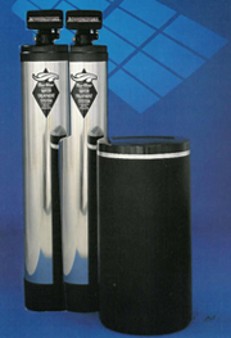
For apartment buildings, treating water at one central point often works better than treating it apartment by apartment. This is where whole-house pure water systems come into play. Instead of installing separate equipment in every unit, a whole-building system treats water where it enters the property. From there, every apartment gets the same treated water. This means consistent water quality throughout the building, without asking each tenant to manage their own equipment.
This approach also simplifies maintenance. Instead of tracking dozens of small units, building staff maintains one system. That’s easier to manage, and it usually costs less over time than outfitting every apartment separately.
When Repairs Come Up
Like any mechanical system, softeners need occasional repairs. A system that stops regenerating properly, or one that leaks, needs attention quickly to avoid bigger problems. For anyone dealing with a system that is not working right, water softener repair in Los Angeles should always be handled by someone familiar with the specific type of equipment installed. Trying to fix these systems without the right knowledge can lead to more damage, not less.
Routine checkups help catch small issues before they turn into bigger, costlier repairs. A properly maintained system should run for years without major problems.
Making the Right Call for Your Situation
So, are water softeners worth it for apartments? For a single unit with mild hard water, a smaller point-of-use option might be enough. For an entire building dealing with hard water across every floor, a centralized approach usually makes more financial and practical sense.
The right answer depends on the water source, the building’s size, and how much hard water is actually affecting daily life. A water test is always the best starting point. It tells you exactly what you’re dealing with, instead of guessing.
FAQs
Q: Does a water softener remove all types of water problems?
Ans: No. A softener only targets hardness minerals like calcium and magnesium. It does not remove chlorine, sediment, or bacteria, which need separate filtration.
Q: How often does a water softener need maintenance?
Ans: Most systems need salt refills every few weeks to a few months, depending on water use. Periodic checkups help catch issues early.
Q: Can hard water actually damage plumbing pipes?
Ans: Yes. Over time, mineral scale builds up inside pipes, which can reduce water flow and add strain on the whole plumbing system.
Q: Is soft water safe to drink?
Ans: Yes, soft water is safe to drink. Some people notice a slightly different taste, but it is not a health concern for most people.
Q: How do I know if my apartment building has hard water?
Ans: Signs include white spots on fixtures, weak soap lather, and dry skin after showering. A water test gives the most accurate answer.
Ready to Fix Your Building’s Water Quality for Good?
We know hard water is not just annoying; it’s expensive over time. It wears down plumbing, shortens appliance life, and leaves everyone dealing with spotty dishes and dry skin. At Pure Water 1, we help property owners and managers find the right fit, whether that means a smart solution for a single apartment or a full system for the entire building. If hard water has been a headache where you live or manage, reach out to us. Let’s figure out what your property actually needs.