Water touches almost every part of a business day. People drink it. Machines use it. Cleaning depends on it. In a city like Los Angeles, water quality is not always consistent, which is why large-scale water filtration matters. Many facilities now depend on better systems to maintain pure water in Los Angeles.
Water travels far before reaching a building. Along the way, it can collect minerals, sediment, and treatment chemicals. These changes may not always be visible, but they affect how water tastes, smells, and performs. Large filtration systems help clean water before it moves through the building. This guide explains how these systems work and why businesses rely on them.
What Does Large-Scale Water Filtration Mean?
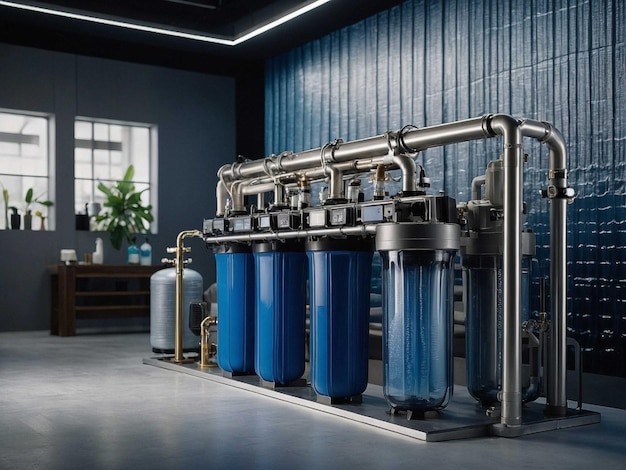
Large-scale water filtration means treating water for an entire building or facility. These systems clean water at the main supply line. All water passes through before reaching taps, restrooms, and equipment.
Unlike small filters, these systems handle high demand. They run all day and support many users at once. Their job is to keep water clean, steady, and safe throughout the building. Think of it as a checkpoint. Water gets cleaned once, then flows everywhere inside.
Why Is Water Quality a Common Issue in Los Angeles?
Los Angeles uses water from several sources. Some come from rivers. Others travel hundreds of miles. Because of this, water quality can vary. Minerals can build up in pipes. Sediment can cloud water. Treatment chemicals may affect taste and smell. These issues are common and expected.
Businesses cannot change the source water. What they can do is improve it before use. That is why pure water in Los Angeles often depends on filtration inside the building.
How Do Commercial Building Water Filtration Systems Work?
Commercial building water filtration systems clean water at the entry point. This keeps quality consistent everywhere inside. Here is how it works, step by step.
- First, water enters through the main supply.
- Next, sediment filters remove dirt and rust.
- Then, carbon filters reduce taste and odor issues.
- Some systems add extra stages for minerals or fine particles.
- Finally, clean water flows to every outlet.
Each step has a clear purpose. Together, they improve water quality without changing daily use.
What Types of Filters Are Used in Large Facilities?
Large facilities often use more than one filter type. Each handles a specific issue.
- Sediment filters catch visible particles.
- Carbon filters help with smell and taste.
- Membrane filters remove very small contaminants.
- Softening systems reduce hard water minerals.
The mix depends on water quality and usage. The goal is balance, not over-treatment.
Why Do Businesses Choose a Pure Water Cleaning System?
A pure water cleaning system focuses on consistency. It helps keep the water the same every day, across the whole building. Consistency matters for people and equipment. Staff expect clean drinking water. Cleaning teams need water that works well. Machines perform better with treated water. Over time, cleaner water also reduces buildup inside pipes. This supports smoother operation and fewer issues.
How Does Filtration Help Protect Equipment?
Water quality affects how equipment performs. Hard water leaves scale behind. Sediment can block valves and nozzles. Large filtration systems reduce these problems. Water flows cleaner and smoother. Equipment runs as designed. This helps lower wear and tear. It also reduces downtime caused by water-related issues.
Which Businesses Use Large-Scale Water Filtration?
Many types of businesses depend on filtered water. Each has different needs, but similar goals.
- Office buildings support large teams.
- Healthcare sites need reliable water quality.
- Factories protect machines and processes.
- Schools and campuses serve many people daily.
In all cases, large-scale water filtration helps support safe and steady operations.
How Is This Different From Home Water Filters?
Home filters usually serve one sink or appliance. They handle small amounts of water. Building systems work at a much larger level. They manage higher pressure and constant flow. They are built for durability and long use. This makes them better suited for commercial spaces with steady demand.
Why Is Regular Maintenance Important?
Filters do not last forever. Over time, they fill with sediment and particles. Regular maintenance keeps systems working properly. Filter changes depend on water quality and usage.
When systems are maintained, water quality stays stable. This also helps prevent sudden drops in performance.
How Does Filtration Support Health and Safety?
Clean water supports everyday health. It reduces exposure to unwanted particles and chemicals. In shared spaces, this becomes even more important. Many people rely on the same water system.
Filtration adds an extra layer of protection without changing how water is used.
Why Is Large-Scale Filtration a Smart Long-Term Choice?
Poor water quality can raise costs over time. It can damage equipment and increase repairs. Filtration helps stabilize water conditions. This supports smoother operations and fewer surprises. For growing businesses, these systems also scale well as demand increases.
How Do Businesses Choose the Right System?
The right system depends on water usage and quality. Large buildings need higher flow rates. Some industries need specific treatment steps. Reviews often include water testing and usage checks. This helps match the system to real needs. A properly sized system works better and wastes less.
How Does Filtration Fit Into Sustainability Efforts?
On-site filtration can reduce reliance on bottled water. It also helps protect plumbing systems. Efficient water use supports long-term planning. Many organizations see filtration as part of responsible facility management. Clean water at the source supports smarter decisions.
FAQs
Q: What is large-scale water filtration?
Ans: It is a system that cleans large amounts of water for entire buildings before it is used.
Q: Why do commercial buildings need water filtration?
Ans: They serve many people and machines, so consistent water quality is important for safety and performance.
Q: Is filtered water safe to drink?
Ans: Yes. Proper filtration removes many unwanted particles and improves overall water quality.
Q: How often do systems need maintenance?
Ans: Most systems need filter changes every few months, depending on usage and water quality.
Q: Can filtration improve taste and smell?
Ans: Yes. Carbon filters often reduce odors and improve taste.
Need Help Choosing the Right Commercial Water Filtration System?
Clean water plays a bigger role than most people realize. It affects daily comfort, equipment health, and long-term maintenance. Choosing the right system helps keep everything running smoothly.
At Pure Water 1, we work with businesses to set up reliable commercial building water filtration systems that match real usage needs. If you want cleaner, more consistent water throughout your facility, visit purewater1.com and see how the right filtration setup can make a difference.