Living in an apartment is pretty convenient. But hard water? That can really be a pain. Hard water has minerals like calcium and magnesium. These minerals make soap not lather, leave spots on dishes, make clothes feel rough, and even mess with pipes.
A lot of people wonder how a water softener in an apartment works. And honestly, it’s easier to understand than it sounds. In this guide, we break it down step by step. By the end, you’ll know how softeners work, why they’re useful, and how to get better water in your apartment.
What Is a Water Softener and Why Do Apartments Need One?
So, what is a water softener anyway? Simply put, it removes hard minerals from your water. Hard water can leave stains on sinks, tubs, and faucets. It can make laundry stiff and ruin appliances faster.
Softening water swaps calcium and magnesium for sodium or potassium. As a result, the water feels gentler on your skin and hair and is less harsh on your appliances. And if you really want clean water, a pure water cleaning system can remove chlorine, bacteria, and other junk.
Hard water can mess with shared plumbing, too. Using water softeners helps prevent clogs and scale. That keeps water flowing and appliances running longer.
How Does a Water Softener Actually Work?
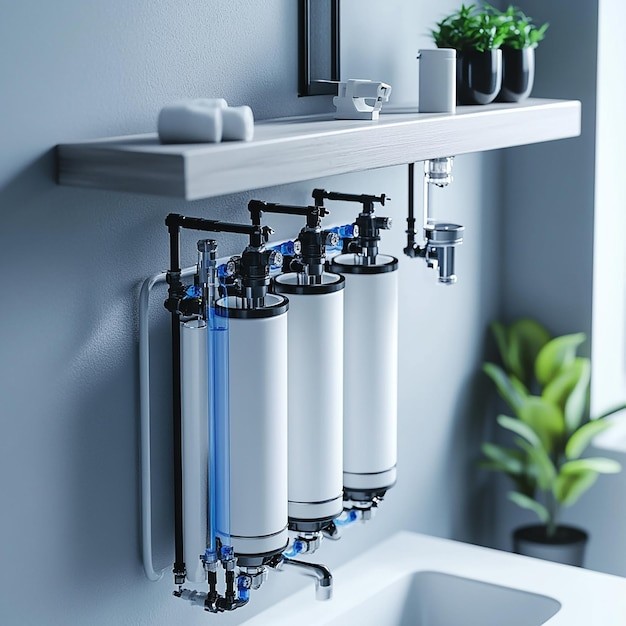
A water softener in an apartment works through a process called ion exchange. It may seem complex at first, but it’s actually quite simple to grasp.
Here’s how it works step by step:
- Water Enters the Softener – Hard water flows into the system from your plumbing.
- Resin Beads Capture Minerals – Inside the softener, tiny resin beads attract and hold calcium and magnesium, the minerals that make water “hard.”
- Sodium Replaces Hard Minerals – The beads release sodium ions in exchange for calcium and magnesium, effectively softening the water.
- Soft Water Leaves the System – The result is smooth, softened water that is gentler on skin, hair, appliances, and plumbing.
To maintain performance, the system regenerates automatically. Salt in the brine tank replenishes the resin beads, allowing them to keep removing hardness from water day after day.
This process ensures that your water softener in an apartment consistently delivers soft, clean water while protecting appliances and improving soap and detergent efficiency.
Can I Install a Water Softener in an Apartment?
Yes, you can install a water softener in an apartment, but it’s important to do it the right way. While it might seem simple, getting professional help makes the process safer and easier. Professionals know how to set up the system without damaging plumbing or violating building rules.
For renters, portable water softeners are a great option. Many models fit under a sink or attach directly to a faucet, so you don’t need to make permanent changes. These small systems can still make a big difference in water quality. Your dishes will shine, your laundry will feel softer, and your skin and hair will notice the difference too.
If you’re thinking about a permanent system that connects to your apartment’s plumbing, you may need landlord approval. Always check your lease before starting any installation. Even small mistakes can cause leaks or reduce the efficiency of the system, which is why professional guidance is worth it.
What Are the Benefits of Using a Water Softener in Apartments?
A water softener in an apartment has plenty of perks:
- Protects Appliances – Less scale in washers, dishwashers, and heaters.
- Better Soap Performance – Soap lathers more easily and rinses clean.
- Softer Skin and Hair – Hard water can dry your skin and rough up your hair.
- Saves Energy – Appliances run more smoothly without buildup.
Pair it with a pure water cleaning system, and your water will taste better and feel cleaner.
Are Water Softeners for Apartments Expensive?
Cost depends on size and type. Small, portable units usually run under $500. Bigger units for full apartments or shared plumbing can go $800–$1,500.
You’ll also pay a bit for salt and maintenance. But over time, you save on detergent, repairs, and energy bills. Think of it as an investment that protects your appliances and improves your water.
What Are the Alternatives to a Water Softener in an Apartment?
If a full softener isn’t doable, there are options:
- Shower Filters – Reduce hardness and remove chlorine.
- Water Pitchers – Give you softened water for drinking or cooking.
- Point-of-Use Units – Fit under a sink or attach to a faucet.
Businesses often combine a water purifier system for business with softeners. That way, employees and customers always get clean, soft water.
How Do You Maintain a Water Softener in an Apartment?
Maintenance is easy:
- Check Salt Levels – Refill every 4–6 weeks.
- Clean the Tank – Prevent sediment buildup.
- Inspect Resin Beads – Replace every few years.
- Follow Instructions – Each system is a little different.
With regular care, your softener keeps water smooth and appliances happy.
Can a Water Softener Affect Drinking Water?
A water softener mainly removes hardness. It won’t take out all impurities. Softened water might taste a bit salty, but it’s safe to drink.
For really clean water, a water purifier system for business handles bacteria, chemicals, and sediment. That means water is clean, fresh, and safe.
FAQs
Q: Can I install a water softener in a rented apartment?
Ans: Yes, portable or under-sink softeners work perfectly for renters.
Q: Do water softeners remove all contaminants?
Ans: No. They remove hard minerals only. A pure water cleaning system handles the rest.
Q: How often should I add salt to my softener?
Ans: Every 4–6 weeks, depending on use and water hardness.
Q: Will soft water harm plumbing?
Ans: Not at all. Soft water is gentler and reduces scale.
Q: Can softeners save energy?
Ans: Yes. Appliances run better without mineral buildup slowing them down.
Upgrade Your Apartment Water with Pure Water 1
Don’t settle for hard, harsh water. With our water softeners for apartments and pure water systems, you can enjoy water that feels smooth, cleans better, and protects your appliances. Your skin and hair will thank you, and every sip will taste fresh and pure.
At Pure Water 1, we make it simple to get cleaner, safer water. Explore our solutions today and start enjoying water that works as hard as you do.