Clean water matters more than most people think. In commercial buildings, water affects cleaning, equipment, and daily work. When water leaves spots, cleaning takes longer. It costs more, too. This usually means the water needs better treatment. A reliable pure water cleaning system starts with good commercial water treatment.
We work with businesses that use water every day. Offices, factories, medical centers, and apartments all need water that works well. When you treat water right, surfaces dry clean and clear. You also use fewer harsh chemicals.
Why Untreated Water Causes Cleaning Problems?
Most tap water has minerals in it. Calcium and magnesium are the most common ones. These minerals stay behind when water dries. That creates spots and streaks on surfaces.
Hard water makes cleaning harder, too. Soap does not rinse well. Residue builds up on surfaces. It builds up inside machines too. Over time, this leads to poor results. It drives up maintenance costs. Treating the water fixes these problems right away.
What Does Spot-Free Cleaning Mean?
Spot-free cleaning means surfaces dry without white marks. You wash a window. It dries. No spots appear. That is spot-free cleaning.
Chemical-free cleaning means using little or no soap. You rely on water quality instead. When water has fewer minerals, it pulls dirt away more easily. It rinses clean, too. Nothing gets left behind. Water becomes your main cleaning tool.
How Water Treatment Systems Help?
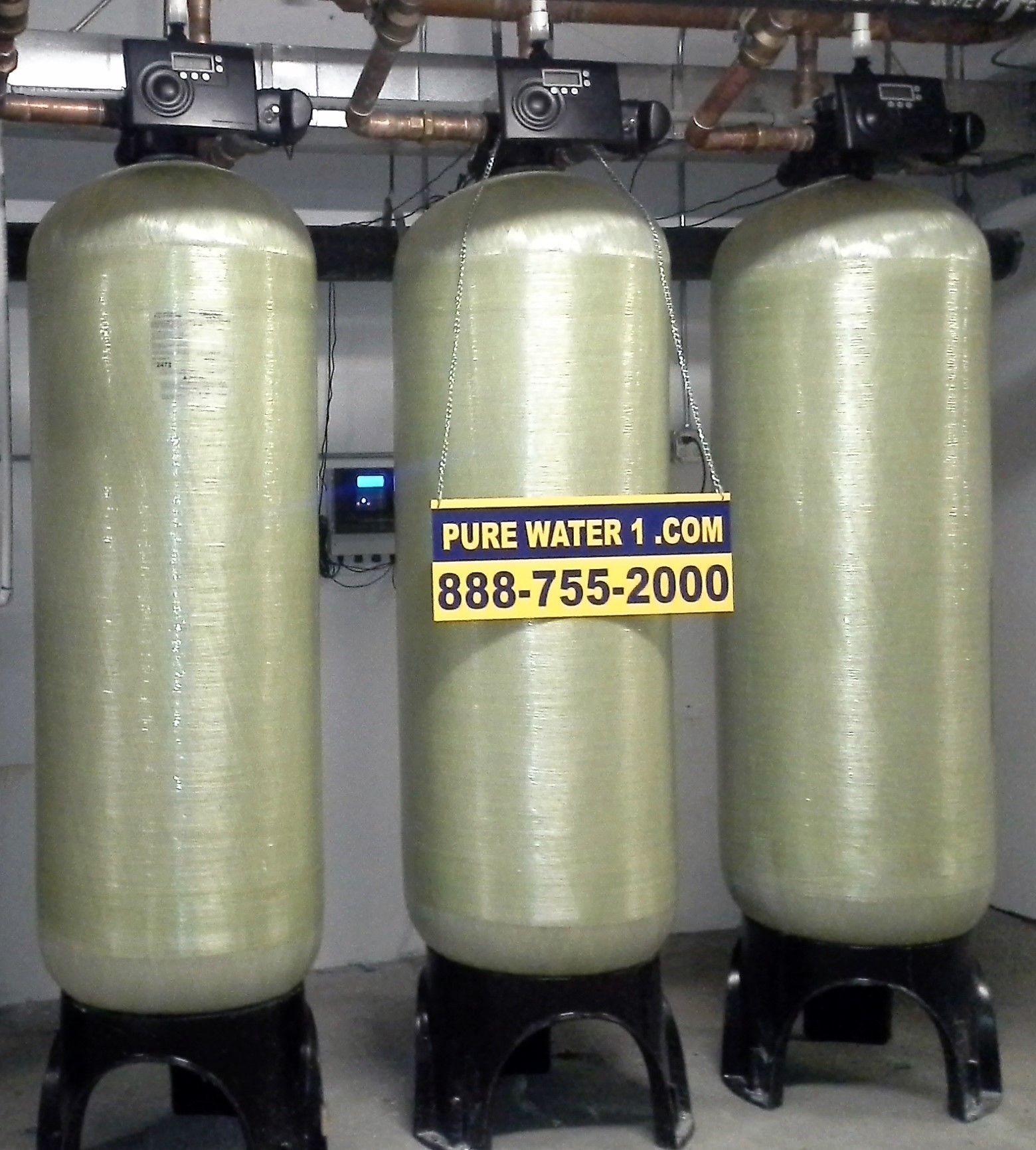
Commercial water treatment systems improve water before it reaches taps. They match the size and needs of each building. Some buildings need basic treatment. Others need advanced systems.
Treatment may include filtration or softening. Some buildings use advanced methods like nano treatment. Each step improves how water works. Together, they help surfaces dry clear. They give you better results.
Filtration Protects Your Building
Filtration removes dirt, sand, and rust from water. It removes chlorine, too. These materials affect how water looks and works.
Strong commercial building water filtration systems protect pipes. They protect equipment too. They help other treatment systems work better. Clean water going in means clean water coming out. This gives you consistent results every time.
Hard Water Creates Long-Term Damage?
Hard water causes scale buildup. Scale forms inside pipes and machines. This cuts down water flow. It reduces heat transfer, too. Equipment works harder. It uses more energy.
Over time, you need more repairs. In areas with hard water, routine water softener repair in Los Angeles keeps systems working right. Skipping service leads to more damage. It drives up costs later.
Scale does not just affect pipes. It coats heating elements. It clogs spray nozzles. It leaves film on windows and glass doors. All of this ultimately results in extra work. It means higher bills, too.
Water Softening Improves Cleaning
Water softening removes calcium and magnesium. This makes water easier to use. Softened water rinses more evenly. It reduces spots on surfaces. It helps soap work better, too.
Soap lathers better in soft water. It rinses away completely. No sticky residue gets left behind. Your surfaces look cleaner. They feel cleaner too.
Softened water protects heaters and boilers. It protects cleaning equipment. Your machines run better. They last longer before needing replacement.
Advanced Treatment Options
Some businesses want fewer chemicals. They want less upkeep, too. Advanced water treatment helps meet these goals.
Nano water treatment changes how minerals act. Instead of sticking to surfaces, minerals stay floating in water. This cuts down scale and residue. You don’t need salt or chemicals. It is a newer approach that works well.
How Nano Treatment Works
Nano treatment systems work without salt. They work without harsh chemicals. They don’t need electricity either. They run all the time with minimal care. You set them up. They keep working.
This approach supports spot-free cleaning. It protects equipment. It lowers operating costs over time. Many facilities choose nano treatment because it is simple. You spend less time on maintenance. You spend more time running your business.
Helping Apartments and Housing Properties
Large apartment buildings use a lot of water every day. Shared plumbing systems feel hard water effects faster. Tenants notice spots on dishes. They see buildup on faucets. They see it on showerheads, too.
Advanced treatment helps apartment buildings reduce scale buildup. It protects pipes, heaters, and fixtures. This leads to better water flow. It means fewer service calls. Happy tenants stay longer.
Protecting Property Value
Hard water damage happens slowly. You might not notice it at first. Scale builds up inside systems. Energy use goes up. Repairs become more common. Property managers often miss these signs early.
Good treatment stops damaging hard water effects across your property. This protects your investment. It helps systems last longer. Your property keeps its value better over the years.
Treated Water Helps Clean Equipment
Many facilities use automated cleaning machines. Floor scrubbers, dishwashers, and laundry machines all need good water. These machines depend on steady water quality.
A water machine commercial setup works best with treated water. Clean water cuts down internal buildup. It improves how machines run. It lowers maintenance needs, too. Your equipment stays in good shape longer. Downtime drops a lot.
Using Fewer Chemicals
Chemical-free cleaning cuts down detergent use. It reduces wastewater pollution. It creates a safer workspace, too. Your cleaning crew breathes easier. Your building smells fresher.
Treated water supports cleaner operations. You don’t need extra chemicals. This helps businesses meet green goals. It keeps the cleaning results steady at the same time. You can tell customers you use fewer harsh chemicals. Many people care about that today.
Picking the Right System
Every building uses water differently. A restaurant has different needs than a hospital. A factory has different needs than an office. One size does not fit all.
The right system depends on your water quality. It varies based on your daily water usage. It depends on your cleaning needs, too. A site review helps find the best solution for you.
Why Maintenance Matters?
Even low-care systems need basic attention. Filters need replacing. Water quality needs checking. These simple steps keep systems running well.
Regular service keeps systems working as they should. It stops sudden problems that mess up cleaning. Doing a bit of upkeep today can prevent major problems in the future. Most systems just need quick checks a few times per year.
Common Mix-Ups About Spot-Free Cleaning
Some people think spot-free cleaning only works on glass. Others think you always need chemicals. These ideas are not right.
Treated water helps with many cleaning tasks. Better water quality leads to better results on all surfaces. Windows, floors, counters, and equipment all benefit. You get cleaner results with less work.
Building Better Results
Spot-free and chemical-free cleaning starts with good water. Commercial water treatment systems improve how water works during daily tasks. A dependable water cleaning system relies on steady treatment and smart design.
Strong commercial water filtration systems protect equipment. They improve how things work. Regular water softener repair keeps performance up in hard water areas. When you pair treatment with a reliable water machine commercial setup, treated water gives cleaner results. You use fewer chemicals. Your building stays cleaner. Your equipment lasts longer.
At Pure Water 1, we focus on practical water treatment solutions. We support clean spaces and reliable systems. We create long-term value for commercial properties. We help you stop damaging hard water before it causes problems. Better water means better cleaning. It also means lower costs and happier people in your building.
FAQs
Q: What causes spots after cleaning?
Ans: Minerals left behind when water dries cause spots. Treated water fixes this problem.
Q: Can chemical-free cleaning work in busy buildings?
Ans: Yes. Many commercial spaces use treated water to cut down on chemicals without losing results.
Q: Does nano treatment replace water softeners?
Ans: Sometimes yes. The choice depends on your water and building needs.
Q: How often should we check systems?
Ans: Most systems need regular checks and simple maintenance a few times per year.
Q: Is treated water safe for cleaning and drinking?
Ans: Yes. Well-designed systems support both uses safely.